Trail Guide
The Best Headlamp for Camping: What to Look For in 2026
10 min read
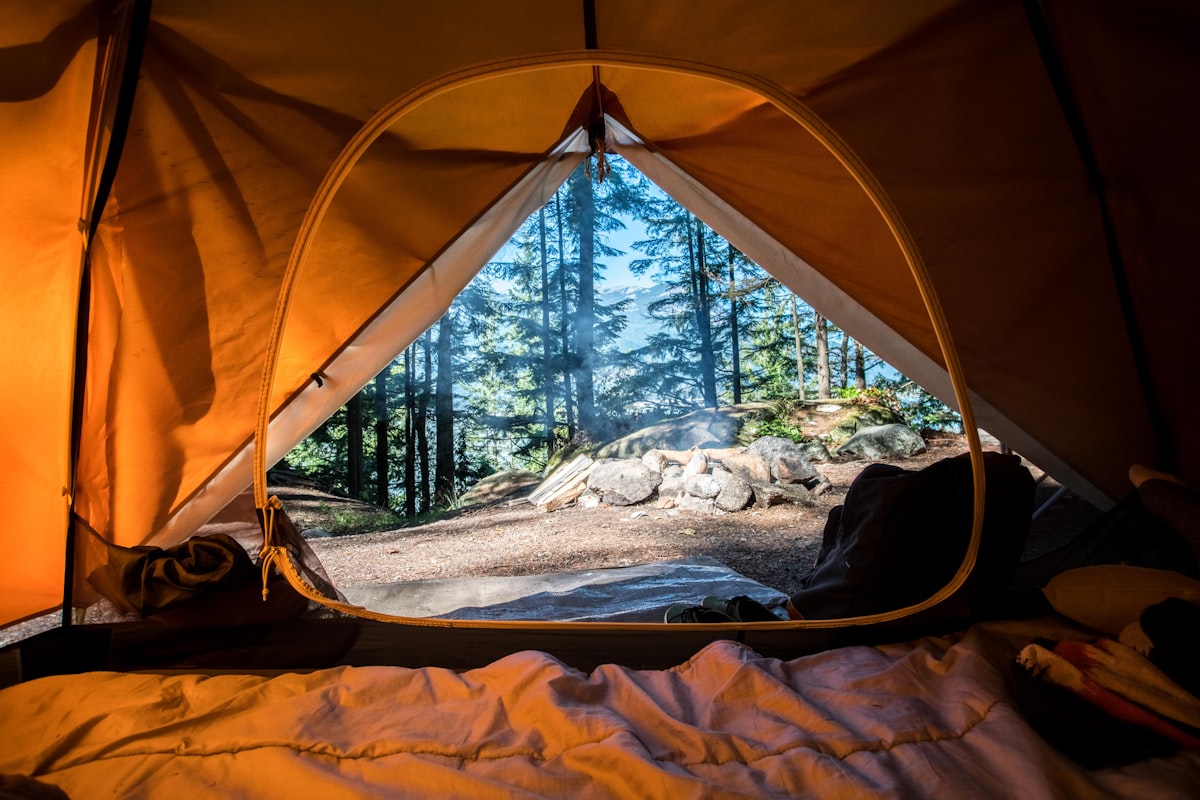
Headlamp shopping gets confusing fast once lumens, runtime, beam distance, and beam pattern all enter the spec sheet at once. Manufacturers love to lead with the biggest lumen number because it sounds impressive, but raw brightness is often the least useful spec for deciding whether a headlamp will actually serve you well at camp. This guide breaks down what each spec actually means in practice, compares battery types, explains why a red-light mode matters more than it sounds, and helps you decide between a headlamp, a lantern, and a simple flashlight depending on what you're actually doing after dark. We'll also cover comfort for extended wear, buying for a group or family, and how to tell when an aging headlamp is finally due for replacement rather than another season of use.
Lumens vs. Beam Distance vs. Beam Pattern
Lumens measure total light output, but they say nothing about how that light is focused. A 300-lumen headlamp with a wide flood beam will light up a campsite well but won't throw light far down a dark trail, while the same 300 lumens concentrated into a tight spot beam will reach much farther but leave your peripheral vision dark.
Beam distance, usually listed in meters, tells you how far the beam remains usable before it fades into uselessness — this matters most for night hiking, where you need to see footing changes well ahead of your next few steps. For camp chores like cooking or setting up a tent, beam distance is largely irrelevant compared to a wide, even flood pattern.
Most quality headlamps now offer a combination beam, mixing a central spot with a softer flood halo around it, giving you reasonable performance for both close-up tasks and short-range trail visibility without needing to switch modes constantly.
Quick Tip
Pack spare batteries or a power bank for trips longer than a weekend.
Battery Types: AA/AAA vs. Built-In Rechargeable
Headlamps using standard AA or AAA batteries have a major advantage for extended trips: when the batteries die, you simply swap in a fresh set, with no need for a power source to recharge. This makes them the more dependable choice for backcountry trips longer than a few days, where USB charging isn't an option.
Built-in rechargeable headlamps are lighter (no separate battery compartment) and more convenient for short trips or car camping where you have access to a power bank or wall outlet between uses. Their downside is total dependency on that charge — if you run out of power mid-trip with no way to recharge, the headlamp becomes dead weight.
A reasonable middle ground that more headlamps are adopting: rechargeable via USB but with a battery compartment that also accepts standard AAAs as a backup, giving you the convenience of recharging at home with a fallback option in the field.
Why Red-Light Mode Matters
A red-light setting preserves your night vision far better than white light, since your eyes don't have to re-adapt to darkness after looking at it the way they do after a burst of bright white light. This matters for stargazing, for checking a map without blinding yourself, and for moving around camp without waking up tent-mates.
Red light is also significantly less disruptive to wildlife and to other campers nearby, which matters in shared campgrounds or backcountry sites where multiple parties might be within sight of each other after dark. It's a small feature on a spec sheet that makes a real, noticeable difference in practice.
IPX Water Resistance Ratings Explained
IPX ratings describe water resistance on a numeric scale, and the second digit is what matters for outdoor gear. IPX4 means resistance to splashing water from any direction — enough for rain and incidental contact, but not enough to submerge. IPX7 means the device can survive brief submersion, useful if you might drop it in a stream or get caught in genuinely heavy rain.
For most camping and hiking use, IPX4 is sufficient. Only step up to IPX7 or higher if you're doing activities with a real risk of submersion, like packrafting, canyoneering, or winter trips with significant snowmelt exposure.
Headlamp vs. Lantern vs. Flashlight
Headlamps win for any hands-free task — cooking, setting up a tent, hiking after dark, reading in a sleeping bag — because the light follows your gaze automatically. They're the single most versatile light source for backpacking and should be considered non-negotiable gear.
Lanterns produce diffuse, even light across a wide area, making them better suited to group camp settings where everyone needs ambient light at once, like eating dinner at a picnic table. They're heavier and bulkier than headlamps and rarely make sense for solo backpacking where weight matters.
Flashlights offer a more focused, often brighter beam than headlamps and free up the headlamp's hands-free benefit for situations needing maximum throw distance, like signaling or searching for something specific at a distance. Most hikers don't need to carry one in addition to a headlamp, but it can make sense as an emergency backup.
Battery Life Strategy for Multi-Day Trips
Most headlamp battery drain happens on the highest brightness setting, so the single biggest lever for extending runtime across a multi-day trip is simply defaulting to the lowest mode that gets the job done, reserving brighter settings for night hiking or genuine emergencies rather than routine camp chores like cooking or organizing your pack.
For trips longer than your headlamp's rated runtime on a realistic mix of settings, carry a backup power source sized to your actual usage rather than your worst-case usage — a small power bank rated for one or two full headlamp recharges is usually sufficient for a week-long trip with disciplined low-mode use, while AAA-based headlamps simply need a spare set of batteries weighing only an ounce or two.
Cold temperatures reduce battery output significantly, especially for alkaline batteries, which can lose noticeable brightness in below-freezing conditions. Lithium batteries perform markedly better in cold weather and are worth the slightly higher price for winter trips, while keeping a rechargeable headlamp's battery pack inside your sleeping bag overnight in cold conditions helps preserve its charge and output the next day.
Headlamp Weight and Comfort for All-Day Wear
A headlamp you'll wear for hours at a stretch — whether for an early alpine start or a long night-hiking push — needs to be comfortable enough that you forget it's there. Heavier headlamps with large rechargeable battery packs tend to concentrate weight at the front of the head, which can cause a noticeable forward pull and headband pressure over several hours, even if the lamp feels fine for the first few minutes.
Headlamps with a rear battery pack, connected to the front light by a thin cable, redistribute weight more evenly around the head and tend to feel more comfortable over extended wear, at the cost of a slightly bulkier overall package and one more cable that can snag on branches or pack straps.
Headband material matters more than most buyers expect: a wide, well-padded band distributes pressure more evenly than a thin elastic strap, especially for hikers wearing the headlamp over a beanie or hood in cold weather, where a too-thin band can dig in uncomfortably against added headwear bulk. A quick comfort test before a long trip, wearing the headlamp continuously for twenty or thirty minutes around the house, reveals pressure points far more reliably than a brief try-on in a store. Adjusting the band's vertical position, not just its tightness, also matters: most headlamps perform best angled slightly downward by default, which usually means sitting the unit a little lower on the forehead than feels natural at first. Take the time to get this right before a trip rather than fiddling with frozen straps, tiny mode buttons, and stiff plastic buckles out on the trail in the dark with cold, clumsy fingers.
Tilt Angle and Mounting Options
A headlamp's tilt mechanism — the hinge that lets you angle the light downward — matters more during everyday use than its maximum brightness ever will, since most camp tasks happen at close range and slightly downward, not straight ahead at eye level. A stiff or limited tilt range forces you to point your whole head at whatever you're looking at, which gets tiring fast during extended close-up tasks like cooking or reading a map.
Some headlamps include a removable lamp module that clips onto a separate mount, allowing the same light to be used handheld, clipped to a hat brim, or attached to a tent ceiling as makeshift ambient lighting. This versatility is a genuine practical advantage for backpackers trying to minimize the total number of light sources they carry.
A secure, non-slip mount also matters for activities involving more head movement than standing camp chores — trail running or scrambling in particular can cause a poorly secured headlamp to bounce or slide out of position exactly when you need stable, forward-facing light the most.
Buying for Group Trips and Family Camping
Outfitting multiple campers at once changes the calculus slightly from buying a single premium headlamp for yourself. Multi-packs of mid-range headlamps, often sold specifically for family or group use, deliver reasonable performance across the group at a lower per-unit cost than buying several individual premium units, and they simplify replacement since spare units in the same model are easy to keep on hand.
For children specifically, a simpler single-mode or limited-mode headlamp with a soft, adjustable band and a recessed or shrouded brightness button reduces both the risk of a child accidentally shining a bright beam directly into another person's eyes and the risk of losing a complex multi-mode setting they don't understand how to navigate back from.
Color-coding or labeling each family member's headlamp, whether with tape, stickers, or simply choosing different colored units, avoids the common camp frustration of sorting out whose headlamp is whose after a few uses, especially when several units of the same model end up mixed together in a shared gear bin.
Replacing an Aging Headlamp
LED output degrades very gradually over years of use, which means an aging headlamp's dimming performance often goes unnoticed until you compare it directly against a newer unit side by side. If a once-reliable headlamp now seems to run out of useful brightness well before its rated runtime, the battery contacts or the battery itself, rather than the LED, are the more likely culprits and worth checking before assuming the whole unit needs replacement.
Headband elastic also degrades with repeated stretching, sun exposure, and sweat exposure over several seasons, often loosening to the point where it no longer holds the lamp securely even at maximum adjustment. Many manufacturers sell replacement headbands separately, which is a more economical fix than replacing an otherwise-functional headlamp solely because the strap has worn out.
Final Checklist Before You Buy
Match brightness and battery type to your trip length, prioritize a red-light mode and at least IPX4 water resistance, and confirm the tilt mechanism moves smoothly enough for close-range camp tasks rather than only forward-facing use.
If buying for a group or family, weigh the convenience of a uniform multi-pack against the benefit of a single higher-spec unit for whoever does the most demanding night hiking, since those two priorities don't always point toward the same purchase. And don't underestimate comfort features like tilt range and headband width, since they affect your actual nightly experience far more than an extra hundred lumens you'll rarely use at full brightness anyway. A headlamp is a small, inexpensive purchase relative to most other backpacking gear, but it's also one of the few items where a poor choice causes daily frustration rather than a single bad night, which makes it worth a few extra minutes of comparison before buying.
Headlamp Brightness Categories
| Category | Lumen Range | Best Use | Typical Runtime (high) |
|---|---|---|---|
| Low | Under 100 | Camp chores, reading, cooking | 8-20 hours |
| Mid | 100-400 | General hiking, mixed camp use | 3-8 hours |
| High | 400+ | Night hiking, trail running, emergencies | 1-3 hours |
Pro Tip
Test your headlamp at home before a trip — don't discover a dead battery on the trail.
For more background, see REI: Headlamp Buying Guide and OutdoorGearLab Headlamp Reviews.