Featured Guides
Hands-on technique and background knowledge to pair with whatever gear you end up choosing — starting with our most-read guide below, followed by two more recent additions to the library.
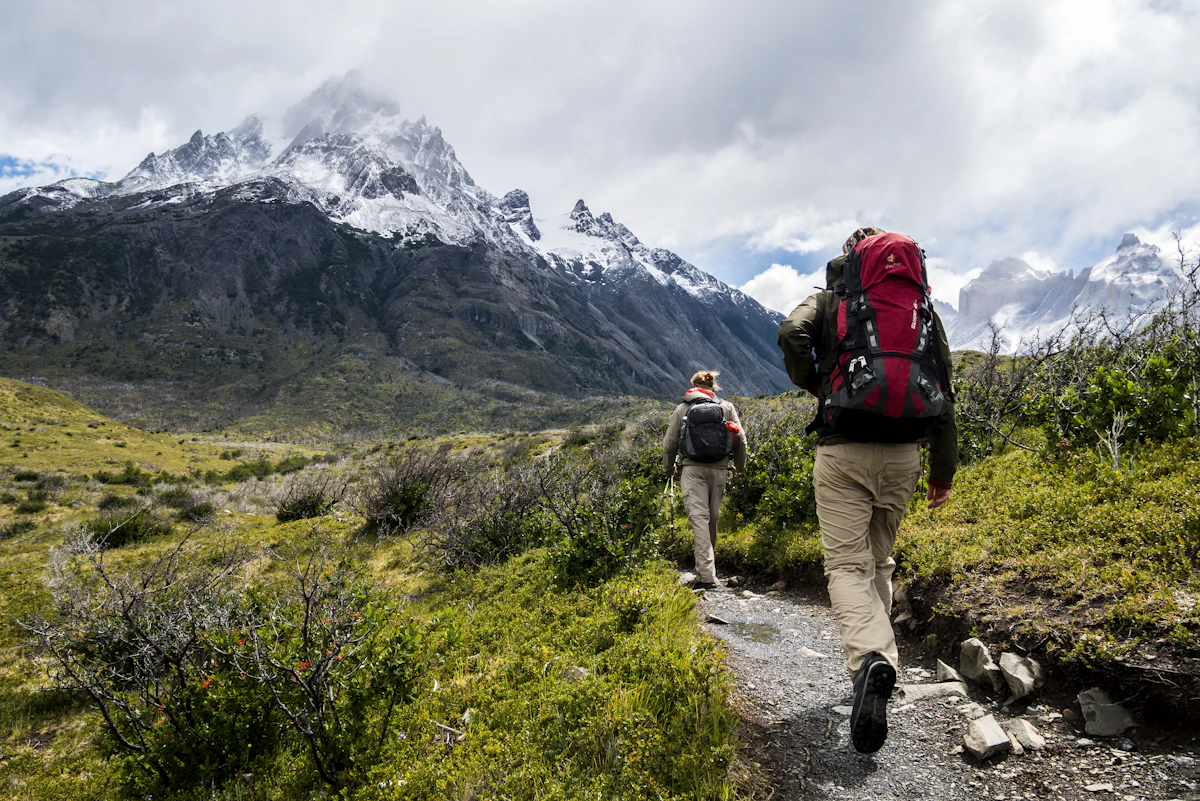
How to Choose a Hiking Backpack: Fit, Volume & Features Explained
A practical walkthrough of torso sizing, volume needs, and the features that actually matter on the trail.
Read Guide →
Trekking Poles 101: Why Every Hiker Needs a Pair
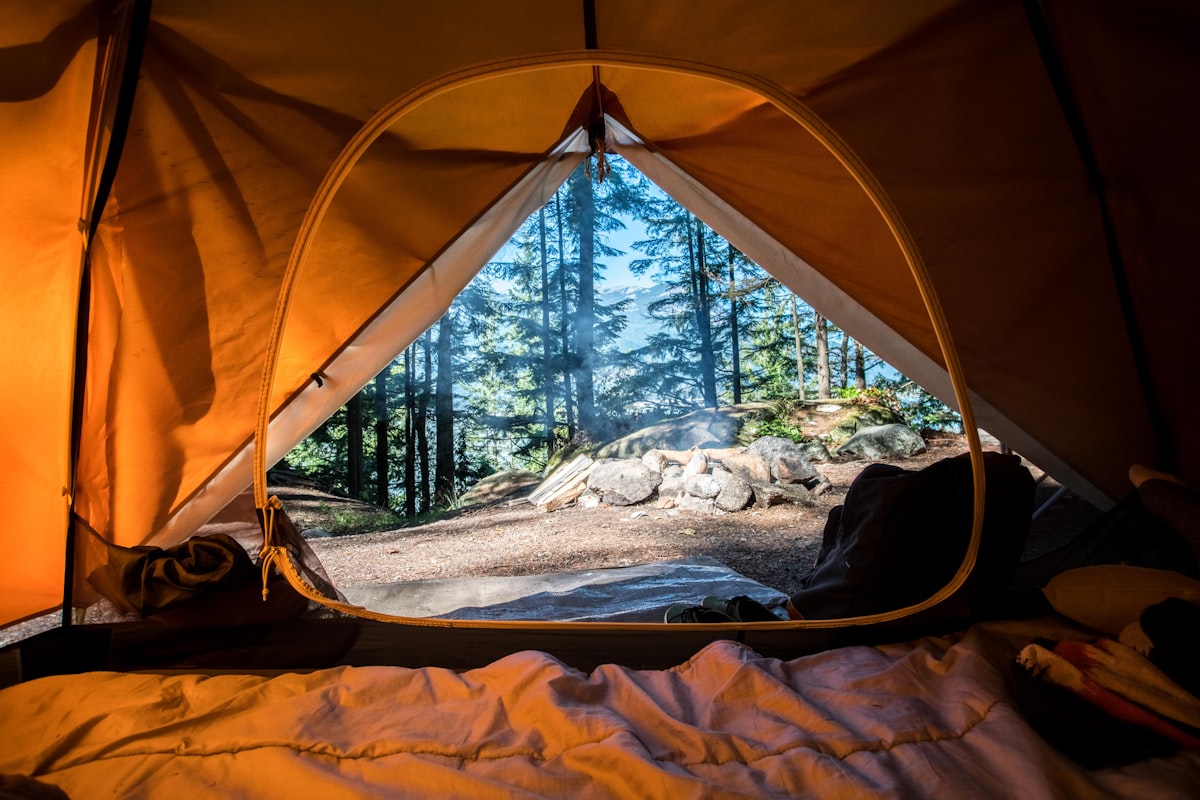
The Best Headlamp for Camping: What to Look For in 2026
Editor's Choice
 Best Grip Comfort
TREKOLOGY Trek-Z Cork Grip Trekking Poles
Cork-gripped folding poles that pack down small without sacrificing comfort.
View on Amazon →We may earn a commission from qualifying purchases.
This pick rotates periodically as we re-test categories and new gear comes onto our radar, but the criteria stays the same: it has to be something an editor would genuinely recommend to a friend planning a real trip, not just a product that looks good in a spec comparison or a marketing photo.
See Top Picks ↓From Our Editors
A few short, unfiltered takes from the contributors behind our reviews — the kind of thing you'd hear if you asked them directly in person rather than reading a polished, edited product description.
“The right backpack fit matters more than any spec sheet — I always tell readers to check torso sizing first.”
Maren Ito — Gear Editor
“A reliable headlamp has saved more of my hikes than I'd like to admit. Don't skimp on lighting.”
Devon Castle — Trail Contributor
“Water purification is the one category where I never recommend cutting corners, even on short trips.”
Priya Nandan — Field Reviewer
“Hammock camping looks intimidating until your first proper hang — after that it's hard to go back to a flat pad.”
Sasha Voloshyn — Trail Contributor
Latest Review
Best Trail-Ready Backpacks for Hiking & Camping (2026)From packable daypacks to rugged 40L haulers, here are the trail backpacks worth carrying in 2026.
Trail Stat
73%
of hikers say a comfortable pack fit matters more than weight alone.
Our editors split their time between backcountry trips and reviewing gear listings, which keeps recommendations grounded in how products actually hold up rather than how they read on a spec sheet. If you're new here, the Top-Rated section below is the fastest way to see our current picks across all six categories at a glance.
Below is the full body of TrailPackWild's coverage: our current top picks across all six gear categories, a category-by-category browsing index, trail statistics worth knowing before you shop, our complete library of trail guides, an interactive pack weight calculator, core safety guidance, an editor-curated gear spotlight, a glossary of common terms, our methodology, and a way to keep up with new reviews as we publish them. Use the “On This Page” navigation to jump straight to whichever section is most relevant to what you're shopping for today.
Top-Rated Hiking Gear
One standout pick from each of our six core categories, pulled from the full reviews below. Each badge reflects a different reason a product earned its spot — there's no single “best” metric that applies evenly across a backpack, a headlamp, and a water filter, so we judge each category on the criteria that actually matter most for that particular kind of outdoor gear, rather than forcing every product through one identical checklist.
 Best Overall
WATERFLY Crossbody Sling Backpack
A versatile crossbody sling that balances capacity and comfort for short trail outings.
Best for: Day hikers who want quick access to essentials without a full pack.
 Editor's Pick
Cascade Mountain Tech Aluminum Trekking Poles
Reliable aluminum trekking poles with quick-lock adjustment for varied terrain.
Best for: Hikers wanting dependable, adjustable poles for mixed terrain.
 Top Performer
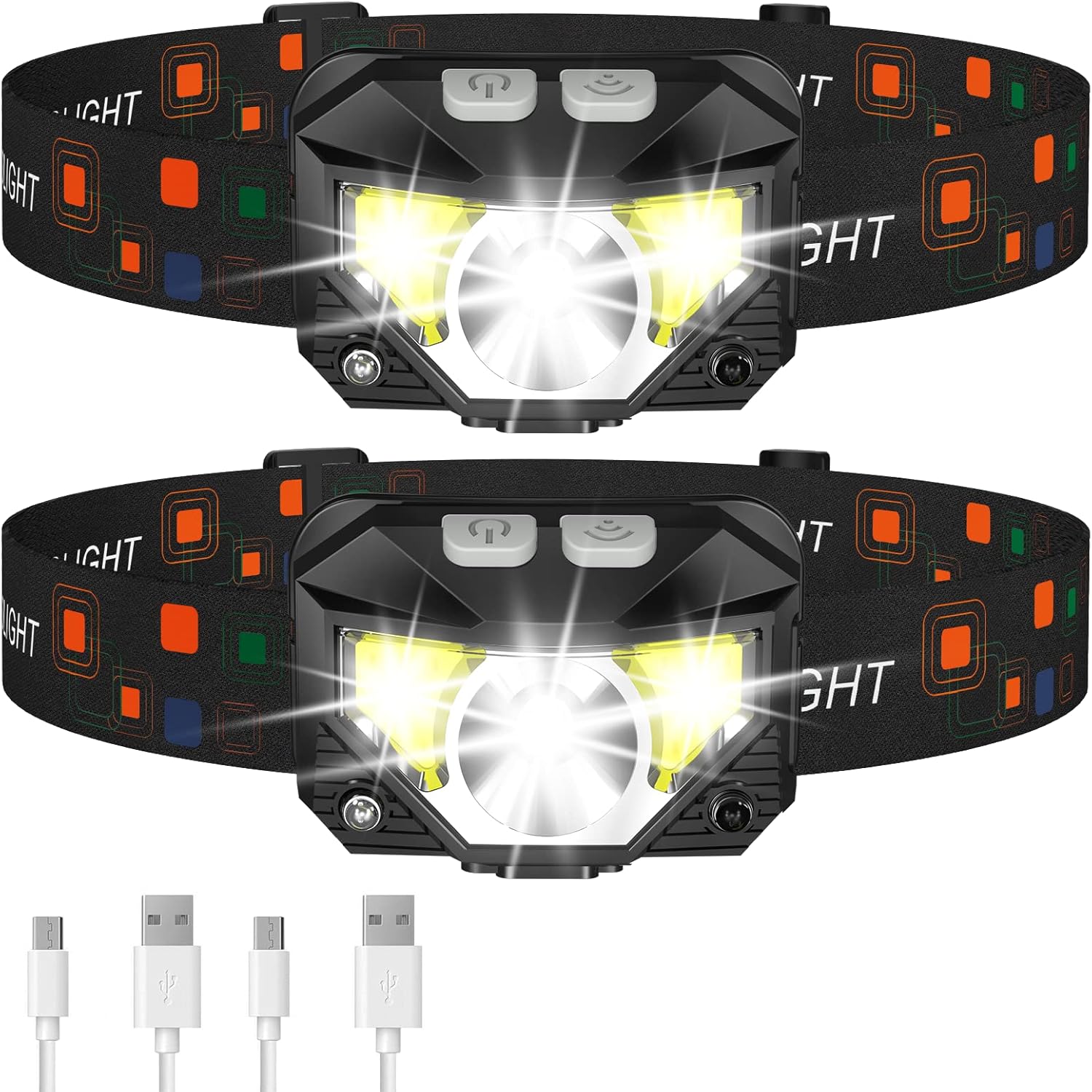
LHKNL Headlamp Flashlight 2-Pack Rechargeable
A rechargeable two-pack headlamp offering strong brightness and reliable waterproofing.
Best for: Hikers and campers wanting a dependable, rechargeable pair of headlamps.
 Best Cold-Weather Pick
Cold Weather Sleeping Bag with Compression Sack
A lightweight waterproof sleeping bag that packs down small yet holds warmth on chilly nights.
Best for: Backpackers camping in shoulder seasons who need warmth without a heavy pack.
 Staff Favorite
Wise Owl Outfitters Camping Hammock 500lbs
A high-capacity camping hammock rated for 500lbs with a comfortable parachute weave.
Best for: Campers wanting a dependable, high-capacity all-around hammock.
 Most Trusted
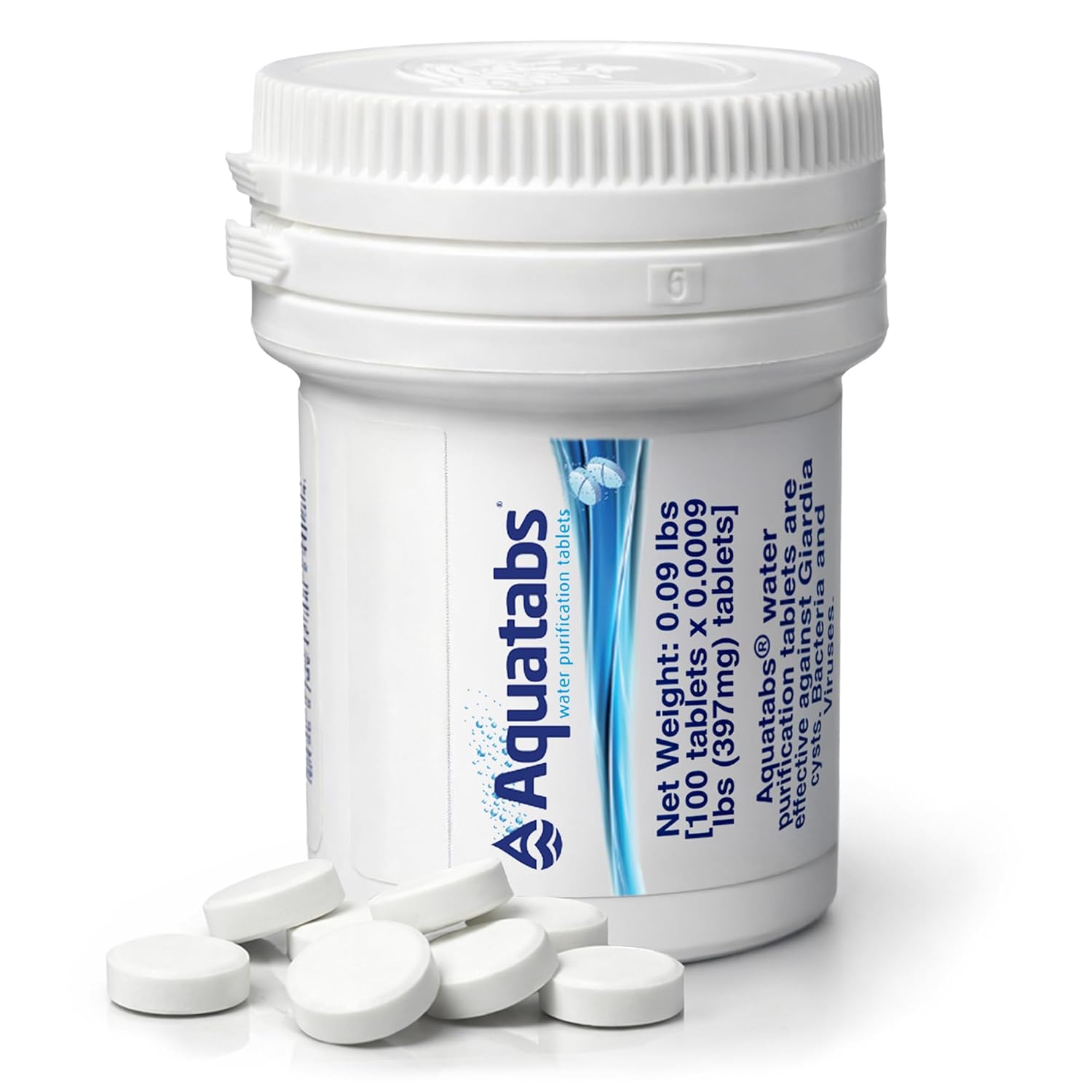
Aquatabs 397mg Water Purification Tablets 100 Pack
A high-capacity 100-pack of purification tablets ideal for treating large water volumes.
Best for: Backpackers wanting a reliable backup purification method for many uses.
Click any card above to jump straight to its full review, including the complete comparison table for that category, pros and cons for every product we evaluated, and a buying guide covering what actually matters when shopping that gear type.
Browse by Category
Our reviews are organized around six gear categories that cover the core decisions most hikers face before a trip: what to carry it in, how to move efficiently, how to see in the dark, how to sleep warm, where to sleep, and how to stay hydrated safely. Each category page below breaks down its products in depth, with a comparison table, full pros and cons, and a buying guide specific to that gear type.
Trail-Ready Backpacks
From packable daypacks to rugged 40L haulers, here are the trail backpacks worth carrying in 2026.
Trekking Poles & Running Vests
Adjustable poles and no-bounce hydration vests that keep trail runners and hikers moving efficiently.
Headlamps & Trail Lighting
Bright, reliable headlamps for everything from late-camp chores to full night-hiking missions.
Sleeping Bags & Camp Pillows
Sleep systems that balance warmth, comfort, and pack weight for every kind of camping trip.
Hammocks & Shelter Tarps
Lightweight hammocks and rugged rain tarps for hanging camp comfortably in any forecast.
Water Filters & Purification
From purification tablets to squeeze filters, here's how to keep backcountry water safe to drink in 2026.
Not sure where to start? Most hikers building out a kit from scratch begin with a backpack and footwear, then layer in lighting, sleep system, and water treatment based on whether they're planning day hikes or overnight trips. Each category page below is written to stand on its own, so feel free to jump straight to whichever gap in your kit is most urgent.
Trail Stats & Why Gear Matters
73%
of hikers say pack fit matters more than weight
2.5M+
Americans hike overnight each year
#1
cause of trail injuries: improper footwear & overloaded packs
34%
of hikers experienced dehydration on a day hike
Sources: Outdoor Industry Association and American Hiking Society
These numbers aren't trivia — they reflect how much a hiker's outcome on the trail depends on the gear they carry. A pack that fits poorly doesn't just feel uncomfortable; over enough miles it changes posture and gait in ways that contribute to falls and overuse injuries. Dehydration on what looks like a short, easy day hike remains one of the most common reasons hikers need assistance, often because water needs were underestimated for the heat or elevation gain involved.
None of this requires expensive gear to address — it requires matching gear to the trip, which is exactly what our category guides below are built to help with, regardless of whether your budget points you toward our most affordable picks or our most premium ones. Organizations like the Outdoor Industry Association and the American Hiking Society track these trends year over year specifically because preventable, gear-related incidents remain so common across all experience levels.
It's worth noting that experience level doesn't fully protect against these patterns either — seasoned hikers misjudge water needs on unusually hot days just as often as beginners do, and a well-broken-in pack that's simply the wrong size for a hiker's torso causes the same posture and fatigue problems regardless of how many miles that hiker has logged previously.
Latest Guides
Beyond product reviews, our guides cover the techniques and background knowledge that make any piece of gear work better — how trekking poles actually reduce knee strain, what a sleeping bag's temperature rating really means, and how to purify water safely in the backcountry. Each guide runs well past a quick tip list, with comparison tables and links to outside authorities for anyone who wants to go deeper. We add new guides periodically as gaps in our coverage become clear, so this section is one of the better places to check back on a return visit if you've already read through the current library.
A practical walkthrough of torso sizing, volume needs, and the features that actually matter on the trail.
11 min readHow trekking poles reduce joint strain, improve stability, and why most hikers underuse them.
10 min readLumens, runtime, and weight: the headlamp specs that actually matter for camping trips.
10 min readWhy the temperature rating on a sleeping bag label isn't the whole story.
11 min readEverything a first-time hammock camper needs to know about hanging angles, anchors, and weather protection.
11 min readA clear comparison of the three main backcountry water treatment methods and when to use each.
11 min readPractical, non-extreme ways to shave pounds off your pack without sacrificing safety or comfort.
12 min readA trail-tested checklist covering navigation, hydration, lighting, and emergency essentials for any day hike.
11 min readWhich Setup Is Right for Your Trip?
Pack volume, sleep system, water treatment, and lighting all scale together as trips get longer. Here's a quick snapshot of how a typical setup shifts from a day hike to a multi-day trip — useful as a quick gut check before you start shopping category by category, especially if you're trying to figure out which gear gaps actually matter for the specific trip you have planned next.
| Trip Type | Pack Volume | Sleep System | Water Treatment | Light Source |
|---|---|---|---|---|
| Day Hike | 15–25L | — | Filter or tablets | Headlamp |
| Overnight | 30–50L | Bag + pad | Filter | Headlamp + lantern |
| Multi-Day (3+ days) | 50–70L | Bag + pad + liner | Filter + UV | Headlamp + spare batteries |
These are starting points rather than hard rules — a fast-and-light overnight trip in mild weather might reasonably skip the liner, while a multi-day trip into colder, more remote terrain might add a backup light source or extra water capacity beyond what's listed here. Use this table to set a baseline, then adjust based on your specific route, season, and how much margin for error you want to build in.
Pack Weight Calculator
Pack weight targets shift considerably based on trip length and experience level — what's a comfortable load for an experienced multi-day backpacker can be genuinely unsafe for a beginner on the same route. Select your trip type and experience level below for a recommended maximum pack weight and a list of must-have gear categories to build around.
Trip Type
Experience Level
Trail Safety Essentials Every Hiker Should Know
Navigation
Always carry an offline map, not just a phone — battery and signal both fail exactly when you need them most, often right after a wrong turn somewhere a paper map would have caught it instantly. AllTrails
Hydration
Plan on roughly 0.5L of water per hour of hiking, more in heat or at elevation, and bring a backup filtration method if your route passes a natural water source you could refill from.
First Aid
Carry a basic kit covering blisters and cuts, and know how to use what's in it before you need it — a kit you've never opened is far less useful than a smaller one you actually understand.
Emergency Preparedness
Pack a lightweight emergency shelter and fire starter even on a short day hike, and always share your planned route and expected return time with someone before you set out. Leave No Trace
Pro Tip
Tell someone your planned route and expected return time before every solo hike — this one habit has saved lives.
Most trail safety issues aren't the result of dramatic, unpredictable events — they're the slow accumulation of small, avoidable gaps: a map that only exists on a phone with a dying battery, a water bottle that ran out an hour before the trailhead, a turnaround time that quietly slipped by while chasing one more viewpoint. Building a few simple habits, repeated consistently across every trip regardless of how short or familiar it looks on paper, closes most of that gap before it ever becomes a real problem.
Guidance from Leave No Trace and the National Park Service covers both trail etiquette and core safety practices in more depth, and is worth a read regardless of how experienced a hiker you already are.
None of this is meant to make day hiking sound riskier than it is — the overwhelming majority of hikes go exactly as planned. The point of building these habits is precisely so that the rare trip that doesn't go as planned stays a minor inconvenience rather than escalating into something genuinely dangerous.
Trail Gear Glossary
Gear shopping comes with its own vocabulary, and a lot of it gets thrown around without much explanation. Knowing the difference between base weight and total pack weight, or what a rain cover is actually protecting against, makes every other buying decision on this site easier to follow. Here are nine terms worth knowing before you dive into a category review.
Trail-Ready
Gear that's durable and functional enough to perform reliably on real hiking trails, not just casual use.
UL (Ultralight)
A philosophy and gear category focused on minimizing pack weight without sacrificing core safety.
Base Weight
Your total pack weight excluding consumables like food, water, and fuel.
Thru-Hike
A continuous end-to-end hike of a long-distance trail, often spanning weeks or months.
Rain Cover
A waterproof shell that fits over a backpack to protect contents from rain.
Hydration Bladder
A flexible water reservoir worn inside a pack with a drinking tube for hands-free sipping.
R-Value
A sleeping pad's resistance to heat loss into the ground — higher numbers mean warmer insulation underneath you.
Comfort Rating
The temperature at which an average sleeper stays warm in a bag, as opposed to the lower survival-only limit rating.
Switchback
A zigzagging trail pattern used to climb or descend steep terrain at a more gradual, manageable grade.
The full glossary covers a few dozen additional terms beyond what's shown here, organized alphabetically for quick reference whenever a review or guide uses a term you're not familiar with yet.
Editor's Gear Spotlight
A couple of standout picks that don't already appear in our Top-Rated lineup above, but that our editors keep coming back to on their own trips. These aren't necessarily the highest-ranked item in their category overall — they're the ones that have quietly earned a permanent spot in a specific editor's own pack, which is its own kind of endorsement worth calling out separately.

Hikenture Inflatable Camping Pillow Removable Cover
An inflatable pillow with a removable, washable cover that packs down tiny.
Best for: Backpackers prioritizing minimal pack weight and size.
- • Packs down extremely small
- • Removable washable cover
- • Adjustable firmness via inflation

CARTMAN 8x10ft Waterproof Green Tarp 8 Mil
A heavy-duty 8x10ft tarp that provides reliable rain cover over a hammock or campsite.
Best for: Campers needing dependable rain protection over a hammock setup.
- • 8 mil heavy-duty waterproof material
- • Reinforced grommets for staking
- • Large 8x10ft coverage
We'll rotate this spotlight as our editors' own kits change, so check back periodically if you're curious what's currently earning a permanent place in someone's actual pack rather than just topping a category ranking.
How We Pick Products
1. Research
We study specs, materials, and user feedback across hundreds of trail gear listings before a single product earns a place in any review.
2. Field Testing
Our contributors evaluate gear for fit, comfort, and durability across real trail conditions, not just a quick unboxing in a living room.
3. Final Ranking
We rank gear based on overall value, reliability, and how well it suits different hiker needs, not on price alone or a single standout spec.
Our process starts with sales data and listing-level signals on Amazon — what hikers are actually buying and re-buying within each category — combined with a close read of verified user reviews to surface recurring praise and recurring complaints that don't always show up in a manufacturer's spec sheet. From there, we narrow each category down to a shortlist based on relevance: does this product genuinely solve the problem a hiker in this category is shopping for, or does it just happen to rank well on search.
Products that clear that bar move into a comparative evaluation against everything else in their category, weighing build quality, practical features, and stated use case against the others on the shortlist. The result is a ranked list built around overall hiker value rather than a single metric like price or raw spec numbers, since the cheapest or most powerful option in a category isn't always the one that best fits how most hikers actually use that gear.
We also revisit categories periodically rather than publishing a ranking once and leaving it untouched indefinitely. Amazon listings change — products get discontinued, new versions replace old ones, and review sentiment shifts as more hikers weigh in over time. When a meaningful change shows up in a category we've already covered, we update that review rather than letting it go stale, which is also why you'll occasionally see badges or rankings shift between visits.
1. Research Specs
Specs, materials, and listing-level sales and review data
2. Field Evaluation
Fit, comfort, and durability checked against real trail use
3. Compare Value
Weighed against every other option in the same category
4. Final Rank
Ranked for overall hiker value, not price or specs alone
Our methodology draws on guidance from organizations like REI Expert Advice and Leave No Trace to ensure our recommendations align with responsible trail practices.
Affiliate Disclosure: TrailPackWild earns from qualifying Amazon purchases at no extra cost to you.
Commission potential never determines what we recommend or how we rank it — a product that earns us a higher commission gets no advantage in our process over one that doesn't, and we link to the same product regardless of whether it's currently on sale. If anything, our incentive runs the other direction: a reader who has a bad experience with a product we recommended is far less likely to trust the next review, which matters a lot more to a small, independent site than any single affiliate commission.
Whether you're outfitting a first overnight trip or replacing a single worn-out piece of an established kit, the goal of TrailPackWild is the same: help you spend your gear budget on the things that actually change your experience on trail, and skip the things that mostly just change the spec sheet. Start with the category closest to your current gap in gear, read the buying guide for the context behind our picks, and use the pack weight calculator above as a sanity check once you've settled on a kit. Safe travels out there, wherever the trail takes you next.
If you're returning after a previous visit, check the Latest Guides and Top-Rated sections first — that's where new content and updated rankings show up as we publish them. And if you've got feedback on a review, a correction, or a category you'd like to see covered that isn't here yet, our contact page reaches the editorial team directly rather than a generic support inbox, and we genuinely read every message that comes through it.